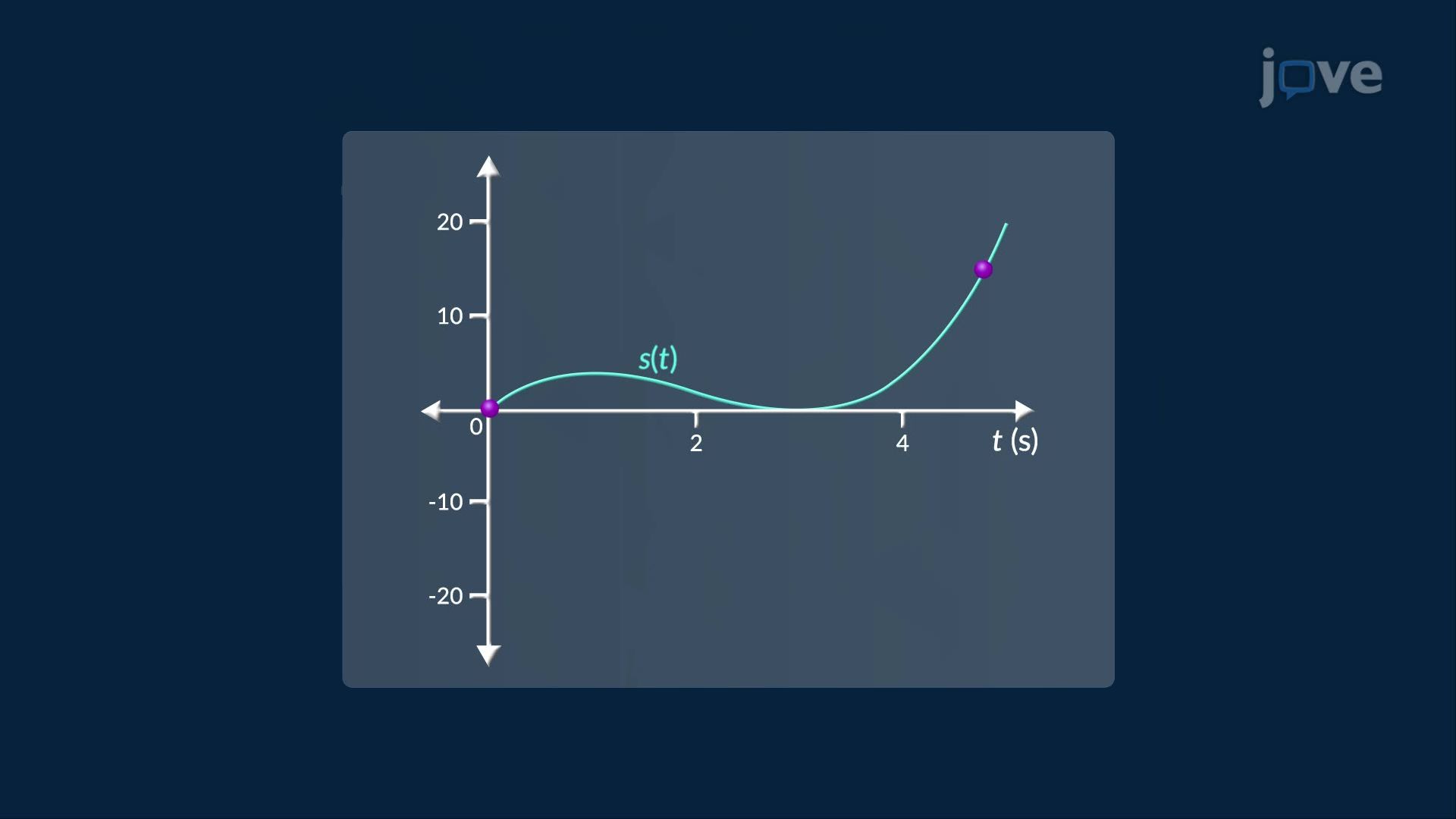
The second derivative of a function provides essential information about a graph's curvature and how it changes over an interval. It helps determine whether a function is concave upward or concave downward and identifies points where the curvature changes. These properties are fundamental in analyzing real-world scenarios, such as changes in road elevation, population growth, and economic trends.
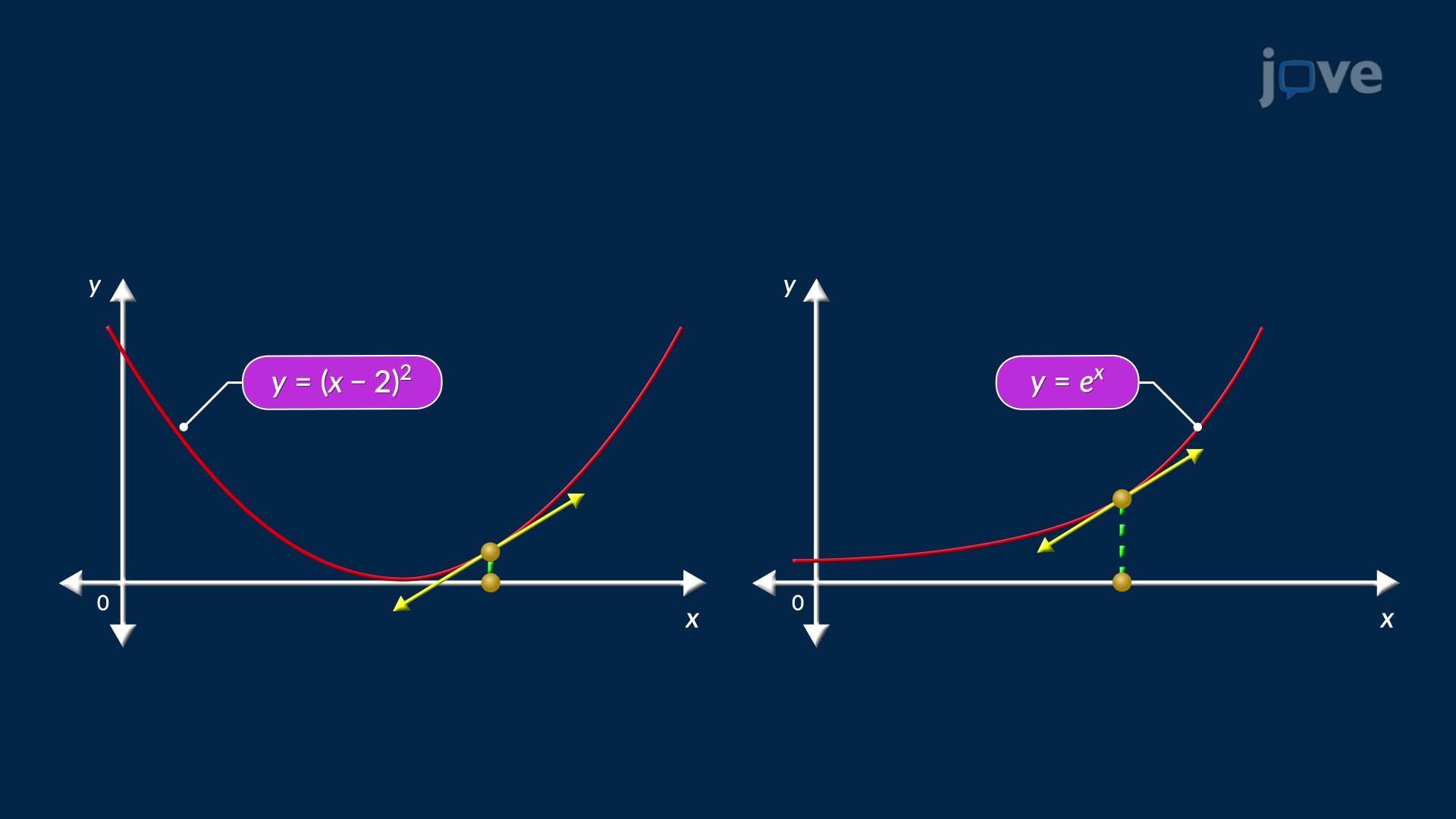
A function f(x) is considered concave upward on an interval if its graph lies above all its tangent lines. Mathematically, this corresponds to a positive second derivative:

This means that the slope of the tangent line is increasing, and the function exhibits an upward-bending shape. Conversely, a function is concave downward if its graph lies below all of its tangent lines, which occurs when:

In this case, the slope of the tangent line decreases, and the function bends downward. These properties help differentiate graphs with increasing trends but different curvatures.
A critical aspect of curvature analysis is identifying inflection points, which occur when the concavity of a function changes. Mathematically, an inflection point occurs where the second derivative changes sign:

At these points, the function transitions from concave upward to concave downward or vice versa. In applied settings, such as road design, inflection points indicate changes in elevation trends, ensuring smooth transitions in slope. Similarly, an inflection point in population dynamics represents a shift in population growth from accelerating to decelerating, often marking a threshold of carrying capacity.
A graph's concavity—its upward or downward bend—comes from its function’s second derivative, which shows how the graph curves and how the slope changes.
A positive second derivative means the graph is concave up. The slope increases in these regions, and the graph lies above its tangent lines.
A negative second derivative means the graph is concave down. In these regions, the slope decreases, and the graph lies below its tangent lines.
If the second derivative is zero or undefined, the point may be an inflection point. At this point, the graph changes from concave up to down, or vice versa.
These points divide the domain into intervals for testing concavity. The second derivative test is used at critical points found from the first derivative.
If the second derivative is positive at a critical point, the graph curves upward and the point is a local minimum.
If the second derivative is negative at a critical point, the graph curves downward, and the point is a local maximum.
In marketing, the second derivative shows how returns change. A concave-down ad-benefit graph means extra spending gives smaller gains, while a concave-up curve means gains grow faster.

 繁體中文
繁體中文