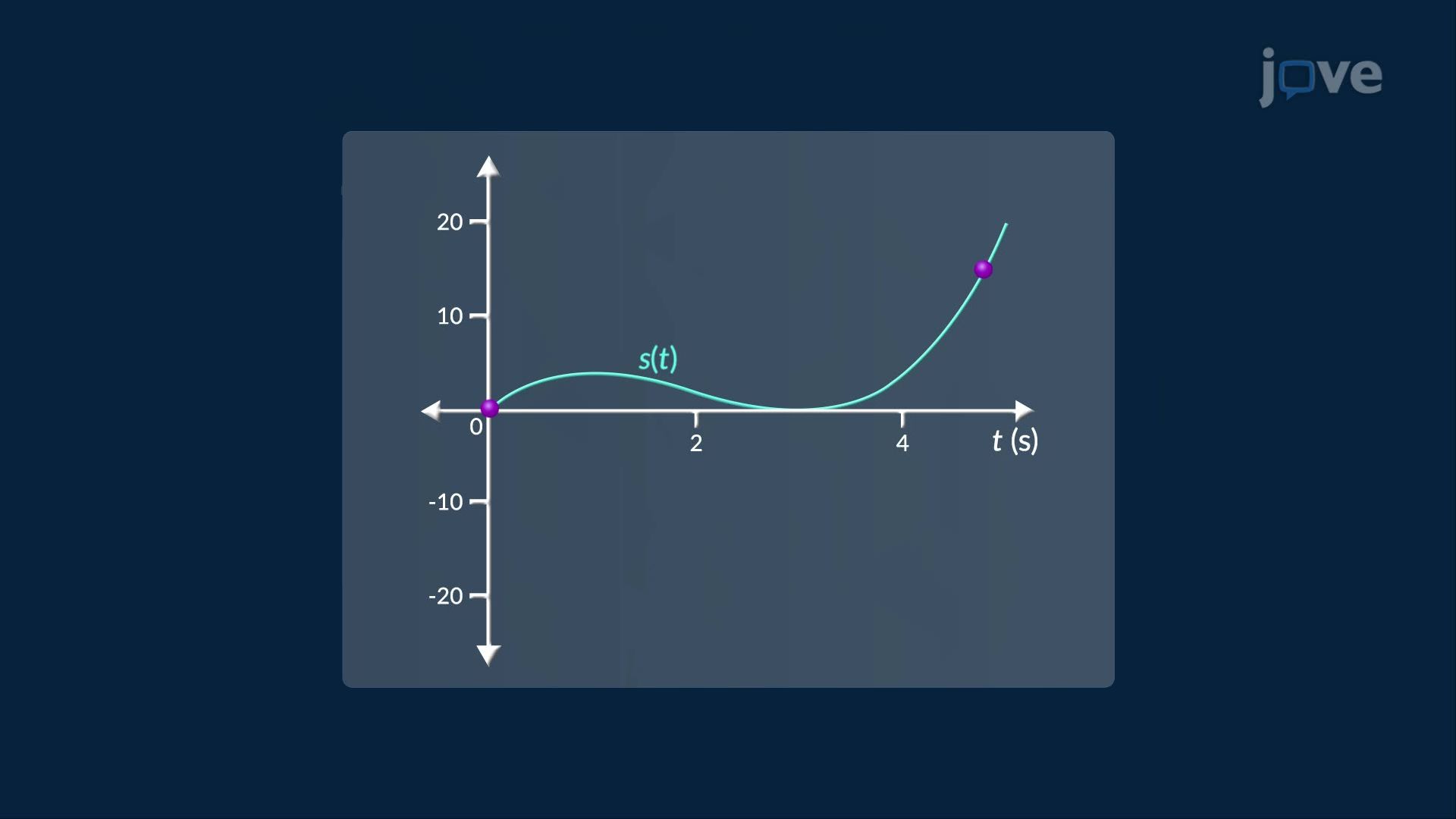
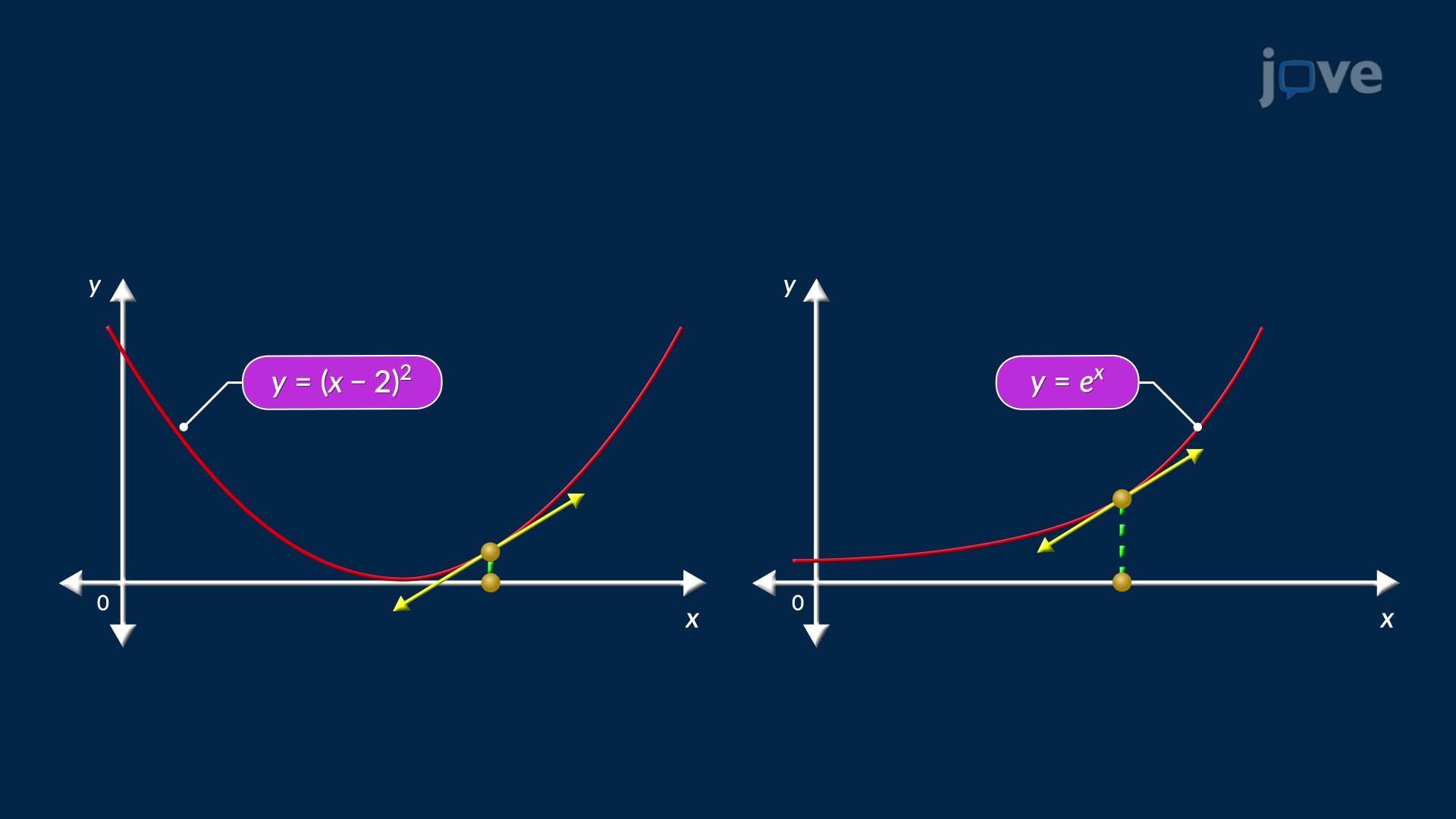
In mathematical analysis, finding a function's highest and lowest points is crucial for understanding its behavior. These points, known as critical points, occur where the first derivative is either zero or undefined. Critical points are potential local maxima and minima locations, which can be classified using the Second Derivative Test. However, not every critical point corresponds to a local maximum or minimum. The second derivative is analyzed to classify these points. The second derivative test provides information about concavity:
If f''(x)=0, the test is inconclusive, further methods, such as the First Derivative Test, must be applied. Consider the function:


set f'(x)=0 to find critical points. This expression yields x = 0 and x = 2 as critical points.

A function has an inflection point where the second derivative changes sign—setting f''(x)=0, and solving for x yields x = 1. Since f''(x) changes sign at x = 1, this is an inflection point. This analysis demonstrates how the Second Derivative Test helps identify key features of a function’s graph.
Consider a mug whose cross-sectional area varies with height—it is wider at the bottom and top and narrower in the middle.
When coffee is poured into this mug at a constant volumetric rate, the coffee level rises over time. The rate of this rise is inversely related to the cross-sectional area at that height.
The concavity of the curve depends on the sign of the second derivative of height with respect to time.
In the lower half of the mug, the cross-sectional area changes in a way that causes the height to accelerate. Because the height of the liquid accelerates, the second derivative is positive in this region, resulting in a concave-up curve.
On the other hand, cross-sectional area increases in the upper-half, and shows the opposite effect, height decelerates, meaning the second derivative is negative, and corresponds to a concave down region on the graph.
Inflection points mark where concavity changes.
In this example, the inflection point is located near the middle of the mug, where the cross-sectional area is minimum. So, the acceleration of height represented by its second derivative has decreased to zero following its passage from positive to negative values.

 繁體中文
繁體中文