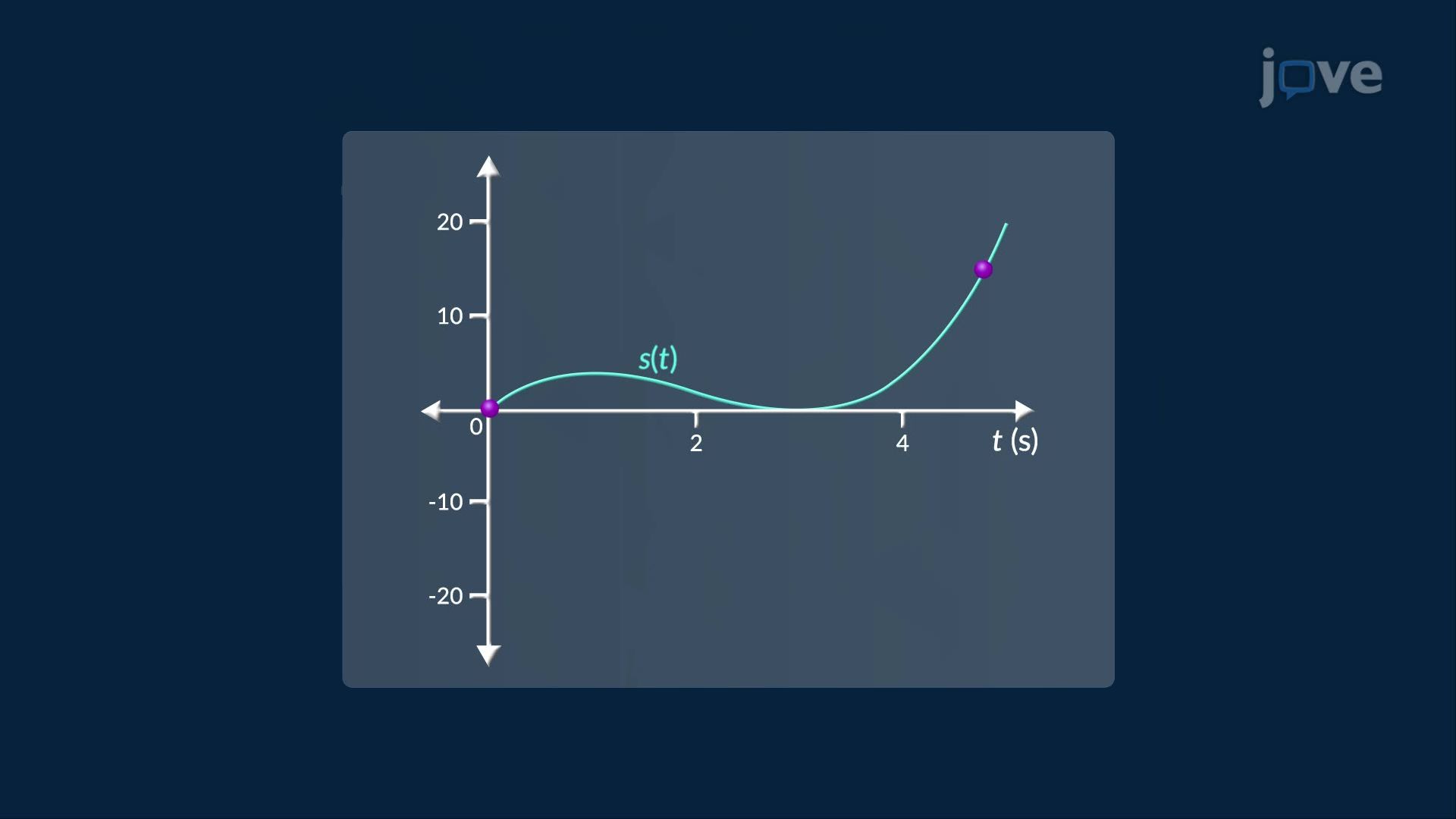
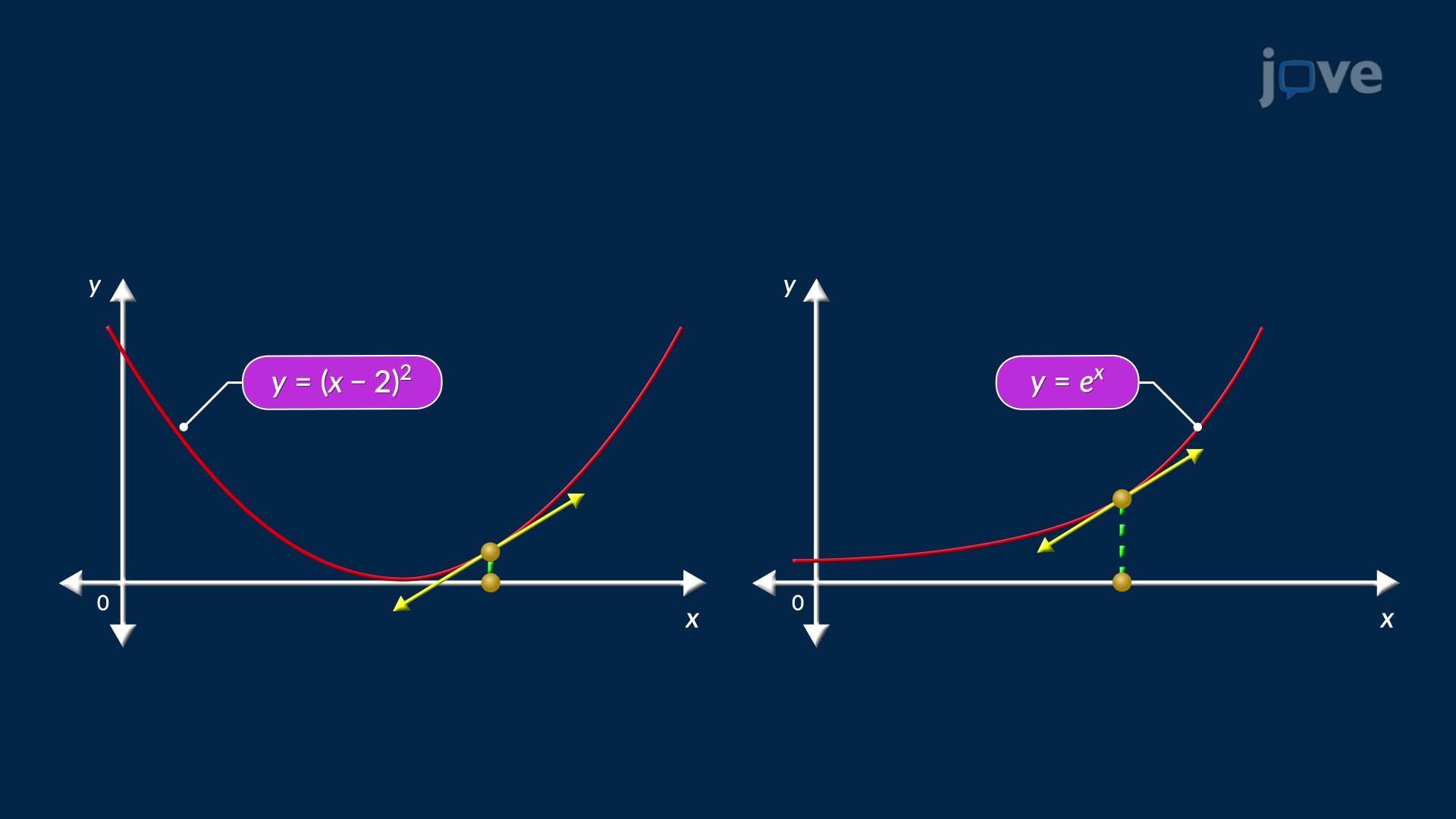
Rolle’s Theorem states that if a real-valued function is continuous on a closed interval, differentiable on the open interval, and takes equal values at both endpoints, then there is at least one point within the open interval where the derivative of the function is zero.
Rolle’s Theorem describes an important property of differentiable functions, this theorem applies to a real-valued function defined on a closed interval, provided three specific conditions are met. First, the function must be continuous throughout the interval. Second, it must be differentiable, meaning it has a defined and non-vertical tangent at every interior point. Finally, the values of the function at the two endpoints of the interval must be equal. When these conditions hold, Rolle’s Theorem guarantees that there is at least one point inside the interval where the slope of the tangent line equals zero. In other words, there must be at least one interior point where the rate of change of the function is zero.
Rolle’s Theorem plays an important role in fields such as engineering, physics, and applied mathematics. It helps identify critical points that are useful in solving optimization problems, where the goal is to find maximum or minimum values. The theorem also supports numerical methods that locate the roots of equations. Furthermore, Rolle’s Theorem serves as a foundation for the Mean Value Theorem, which relates average rates of change to instantaneous rates of change, making it a fundamental tool for modeling processes in science and engineering.
Rolle’s Theorem states that if a function is continuous on a closed interval, differentiable on the open interval, and equal at both endpoints, then the derivative is zero at some point between the endpoints.
Consider a road over which a vehicle climbs up, reaches a peak, and then descends.
Since it starts and ends at the same height, there must be a point where the ascent changes to a descent. At that point, the slope becomes zero, satisfying Rolle’s theorem.
A function on a closed interval can take various shapes, all of which may satisfy Rolle’s Theorem if the conditions are met.
Some functions may have more than one point where the derivative is zero, like when there are both local maxima and minima within the interval.
On the other hand, the altitude of a train on a flat track is represented graphically as a horizontal line. Here, every point along the track satisfies Rolle’s Theorem, as the derivative is zero everywhere on this line.

 繁體中文
繁體中文